
How Simplex Chain Sprockets Help Reduce Maintenance Costs in Industrial Machinery
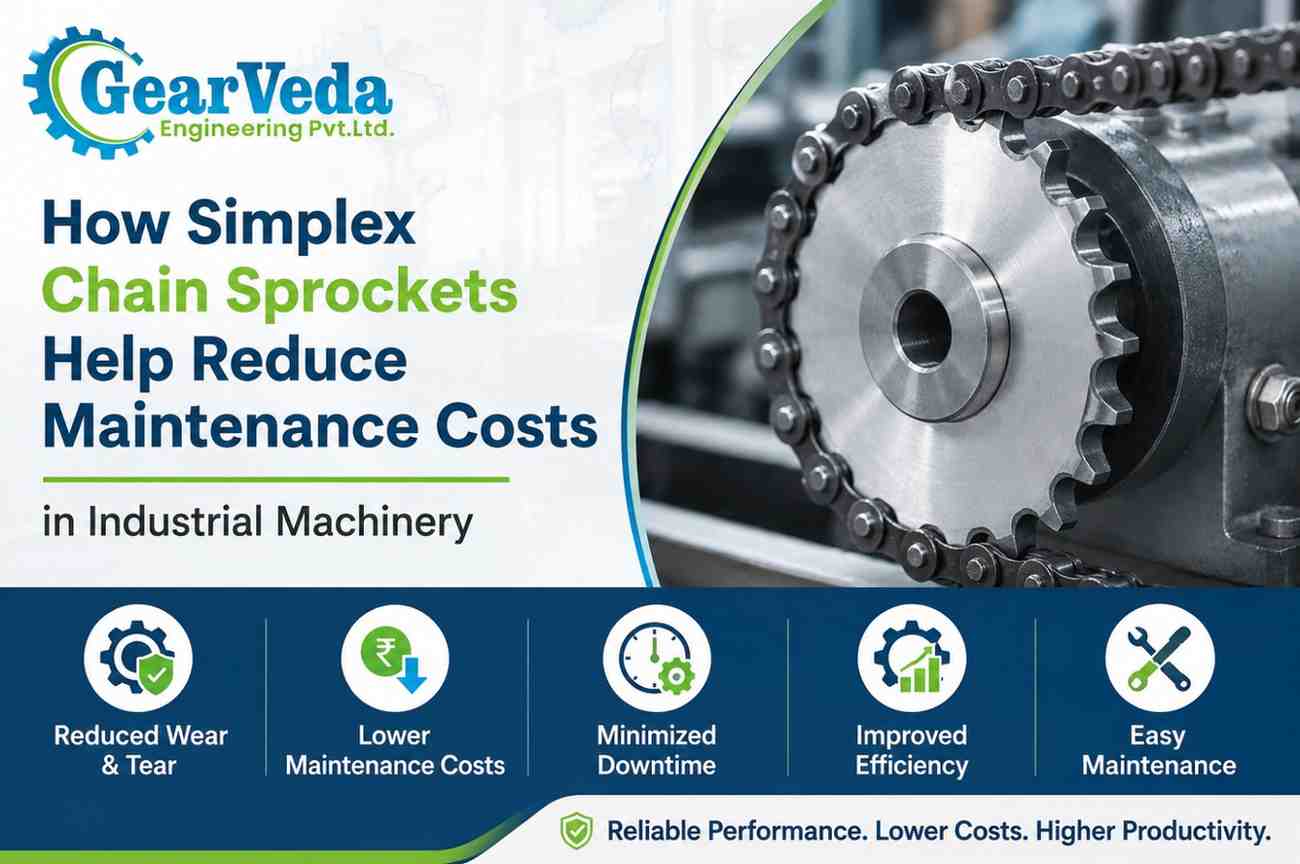
In today's manufacturing environment, minimizing maintenance expenses is a key priority for businesses looking to improve productivity and profitability. Every hour of machine downtime can result in production delays, increased labor costs, and lost revenue. One often-overlooked component that plays a significant role in reducing maintenance requirements is the Simplex Chain Sprocket.
Used across industries such as material handling, packaging, agriculture, food processing, and manufacturing, simplex chain sprockets are known for their reliability, efficiency, and cost-effectiveness. When designed and manufactured with precision, they help industrial machinery operate smoothly while reducing wear and tear on critical components.
Understanding Simplex Chain Sprockets
A Simplex Chain Sprocket is designed to work with a single-strand roller chain, transmitting power between rotating shafts efficiently. Its simple yet robust design makes it a preferred choice for many industrial applications where moderate loads and continuous operation are required.
Because of their straightforward construction, simplex sprockets are easier to install, maintain, and replace compared to more complex drive systems.
The Link Between Sprocket Quality and Maintenance Costs
Many maintenance issues in industrial machinery stem from poorly manufactured or incorrectly matched sprockets. Problems such as chain misalignment, uneven tooth wear, vibration, and excessive friction can increase maintenance frequency and shorten equipment life.
High-quality sprockets reduce these issues by ensuring proper chain engagement and smooth power transmission. This directly contributes to lower maintenance costs and improved machine reliability.
How Simplex Chain Sprockets Reduce Maintenance Expenses
1. Reduced Wear on Chains and Components
One of the biggest advantages of using a precision-engineered simplex sprocket is reduced wear on the roller chain.
When sprocket teeth are accurately machined, the chain engages smoothly without excessive stress. This helps prevent premature chain elongation, tooth damage, and component failure.
As a result, businesses spend less on replacement parts and emergency repairs.
2. Improved Power Transmission Efficiency
Efficient power transmission minimizes energy loss and reduces strain on machinery.
A properly designed Industrial Chain Sprocket ensures consistent power transfer between connected components. Reduced friction means less heat generation and lower stress on bearings, shafts, and chains.
This not only improves machine performance but also decreases the frequency of maintenance interventions.
3. Lower Risk of Unexpected Downtime
Unplanned downtime can significantly impact production schedules and operational costs.
Simplex chain sprockets are valued for their dependable performance and straightforward design. When manufactured from high-quality materials and maintained correctly, they provide long service life and reliable operation.
Reduced breakdowns mean fewer disruptions to production and lower maintenance expenditures.
4. Easier Inspection and Maintenance
Compared to more complex transmission systems, simplex chain drives are relatively easy to inspect and maintain.
Maintenance teams can quickly identify signs of wear, lubrication issues, or alignment problems before they develop into major failures. This simplifies preventive maintenance programs and helps reduce overall service costs.
5. Longer Equipment Life
Industrial machinery represents a significant investment for any business. Protecting that investment requires components that minimize operational stress.
A well-designed sprocket system distributes load evenly across the chain, reducing excessive wear on connected equipment. This contributes to longer machine life and lower lifecycle costs.
Comparing Simplex and Duplex Chain Sprockets
While a Duplex Chain Sprocket is designed for applications requiring higher load capacities, a simplex sprocket often provides a more economical solution for standard industrial operations.
For moderate-duty applications, simplex sprockets offer several advantages:
- Lower initial investment
- Easier maintenance
- Reduced replacement costs
- Simplified installation
- Efficient operation for standard loads
Selecting the right sprocket type depends on operational requirements, load conditions, and production demands.
Choosing the Right Industrial Chain Sprocket
To maximize maintenance savings, businesses should focus on quality when selecting an Industrial Chain Sprocket.
Key factors include:
- Material quality
- Precision machining
- Tooth profile accuracy
- Corrosion resistance
- Proper chain compatibility
- Load-bearing capacity
Investing in high-quality sprockets from an experienced manufacturer helps prevent costly maintenance issues and improves overall operational efficiency.
Why Industries Trust GearVeda Engineering Private Limited
GearVeda Engineering Private Limited specializes in manufacturing precision-engineered sprockets and power transmission components for a wide range of industrial applications.
With advanced manufacturing capabilities, strict quality control standards, and a commitment to engineering excellence, GearVeda delivers durable sprocket solutions designed for long-term performance and reliability.
Whether your operation requires a Simplex Chain Sprocket, Industrial Chain Sprocket, or Duplex Chain Sprocket, GearVeda provides customized solutions that support efficient and cost-effective machinery operation.
Conclusion
Reducing maintenance costs is not only about servicing machinery regularly—it also involves selecting the right components from the start. A high-quality simplex chain sprocket can significantly lower maintenance expenses by reducing wear, improving power transmission efficiency, minimizing downtime, and extending equipment life.
For businesses seeking reliable power transmission solutions, investing in precision-manufactured sprockets from GearVeda Engineering Private Limited is a smart step toward improved productivity, lower operating costs, and long-term industrial success

